

Why Enterprise SEO Is a Large Company’s Superpower
Enterprise SEO turns your website into a durable growth engine. Unlike paid media that stops when budgets pause, organic search compounds: every improvement to your information architecture, technical health, and content depth can pay off across millions of sessions, thousands of pages, and multiple markets for years. For large organizations, this compounding effect isn’t just efficient—it’s a strategic moat.
At scale, SEO aligns product, engineering, content, analytics, and brand. It reduces acquisition costs, strengthens category leadership, improves discoverability across regions and devices, and safeguards revenue through platform and algorithm shifts. When you operate in many countries, serve diverse segments, or manage complex catalogs and services, the right SEO system makes you easier to find and faster to trust.
I’m Chris Robino, a Digital Strategy Leader who has helped large companies implement enterprise SEO programs that move core business metrics, not just rankings. The strategies below focus on what performs reliably at scale: technical excellence, data-driven architecture, governance, and repeatable workflows that turn SEO from a series of one-off projects into a company-wide operating system.
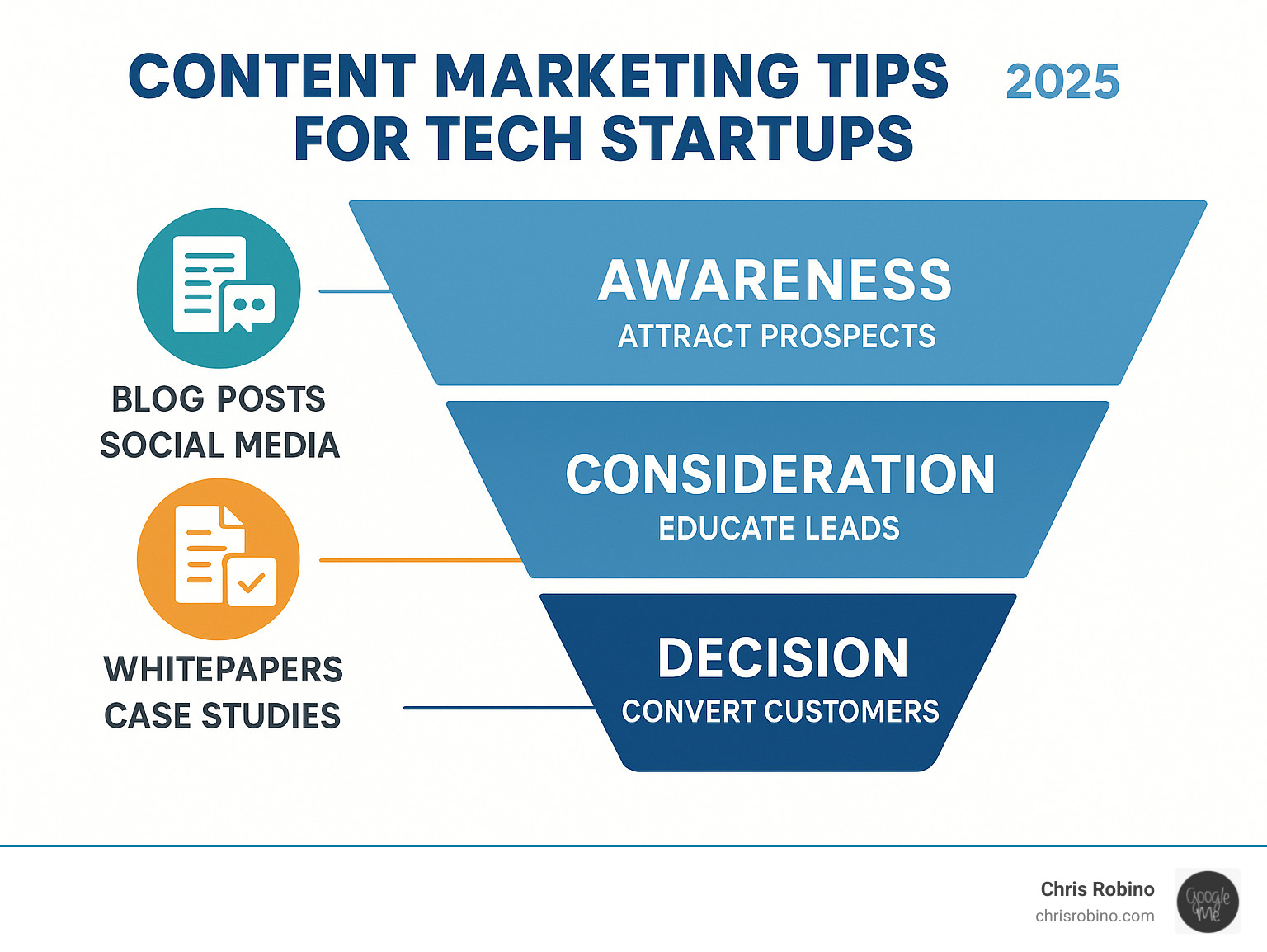
6 Enterprise SEO Strategies That Consistently Perform
SEO for large companies is about systems, not hacks. The playbook below prioritizes durable wins that scale across vast sites, multiple regions, and complex organizations.
1. Build an Enterprise SEO Operating System
A strong operating model turns SEO from “requests” into a repeatable business process.

- Governance and roles: Define a clear RACI for product, engineering, design, content, analytics, and legal. Establish an SEO steering committee to prioritize initiatives and resolve trade-offs.
- Roadmapping: Tie SEO epics to business goals (revenue, lead quality, new market entry) with quarterly roadmaps and measurable outcomes.
- SLAs and intake: Standardize how SEO is involved in new product features, templates, and site changes. Require technical and content reviews before code freeze or content launch.
- Change control: Maintain an SEO change log, version templates, and track rollouts with feature flags for controlled tests and reliable rollback.
- Training and playbooks: Create enablement for content creators and engineers (e.g., internal linking standards, schema patterns, pagination rules) so best practices are followed without constant oversight.
This foundation increases execution speed, prevents regressions, and ensures SEO is embedded in how your company ships product and content.
2. Map Demand and Intent Across Segments and Markets
Enterprise SEO starts with precise demand mapping so you ship the right experiences to the right audiences.

- Segment by intent: Organize demand into informational, comparative, transactional, and post-purchase support queries. Use this to shape templates and funnels, not just keywords.
- Entity and topic planning: Build an entity map of your products, solutions, industries, and problems you solve. Cover the topic graph thoroughly to establish authority and reduce content gaps.
- Localization strategy: For each market, align language, terminology, compliance, and cultural nuances. Prioritize where the revenue and growth runway justify deep localization.
- First-party data: Combine search data with your analytics, CRM, and sales insights to prioritize topics and pages that move pipeline and revenue.
- Competitive landscape without mimicry: Benchmark SERP features, content depth, and link profiles, then differentiate with proprietary data, unique formats, and superior UX.
The output is a demand blueprint that informs information architecture, templates, and content standards at scale. First-party search data from search engine tools can provide invaluable insights to inform these decisions.
3. Scale Information Architecture and Content the Right Way
Authority grows when your site structure reflects how users think and how search engines understand topics.

- Pillar–cluster architecture: Create comprehensive pillar pages for core entities and support them with tightly scoped cluster pages. Interlink consistently to signal relationships and distribute authority.
- Taxonomy governance: Consolidate duplicates, retire dead-end tags, and enforce naming rules so categories, filters, and collections remain clean and consistent.
- Programmatic pages with quality guardrails: Use data-driven templates for locations, products, or solutions, but enforce minimum viable content (unique value, structured data, media, FAQs). Automate deduplication and prevent thin or near-duplicate pages from indexation.
- Internal linking systems: Deploy pattern-based internal links (nav, breadcrumbs, related items, faceted links with rules) and editorial links based on intent. Monitor link depth to ensure priority pages are within three clicks of home or hubs.
- Schema at scale: Standardize structured data patterns per template (e.g., product, FAQ, how-to, article, organization) and validate continuously to capture rich results and improve machine understanding.
This approach compounds authority while preventing index bloat and cannibalization. The Schema.org vocabulary provides the foundation for structured data implementation.
4. Nail Technical SEO at Scale
Technical excellence is non-negotiable for large sites. Prioritize the fundamentals that open up crawling, rendering, and ranking.

- Crawl budget management: Control faceted navigation and session parameters, ship robust robots directives, and keep XML sitemaps clean and fresh. Prioritize findability of revenue-driving templates and new content.
- Canonicals, pagination, and duplicates: Apply canonical rules consistently. Use rel=”next”/”prev”-style pagination patterns when appropriate, and prevent infinite crawl paths.
- JavaScript and rendering: Where heavy client-side rendering exists, enable server-side rendering or hybrid rendering. Ensure all critical content and links are available in the initial HTML and that hydration doesn’t alter canonical signals.
- Internationalization: Implement hreflang accurately, keep language-region pairs in sync, and ensure each variant is indexable and self-canonicalized.
- Performance and Core Web Vitals: Establish performance budgets. Improve LCP with optimized media and server response, reduce CLS with reserved space and stable UI, and target excellent INP with responsive interactions.
- Security and infrastructure: Enforce HTTPS, correct redirects, HSTS, and consistent www/non-www and trailing slash policies to avoid mixed signals.
Run continuous monitoring with alerts tied to technical KPIs, so issues are caught before they impact revenue.
5. Own the SERP and Your Distribution Ecosystem
Winning SEO isn’t only about “10 blue links.” Large brands must dominate the full results page and the broader content ecosystem.

- Brand SERP management: Optimize your knowledge panel, sitelinks, and key navigational pages. Ensure consistent NAP details and business profiles across locations.
- Rich results and verticals: Target FAQs, how-tos, images, video, and news where relevant. Create purposeful video and image assets with transcripts, captions, and descriptive metadata.
- Thought leadership and data assets: Publish original research, benchmarks, and frameworks that earn citations and editorial links. Pair with PR to amplify coverage.
- Content refresh and republishing: Systematically update top performers to maintain freshness and defend positions against new entrants.
- Syndication and partnerships: Where appropriate, syndicate to authoritative platforms with proper canonicalization to avoid duplicating signals.
- Reputation and reviews: Integrate review acquisition and response workflows—crucial for multi-location and product-led brands—so trust signals appear prominently in search.
The goal is to meet searchers in the format they prefer and saturate page one with accurate, useful assets.
6. Measure What Matters and Prove ROI
Enterprise SEO succeeds when it’s measured like a core revenue channel.

- KPI hierarchy: Tie rankings and impressions to qualified traffic, engagement, assisted conversions, pipeline, and revenue. Track by template, market, and product line.
- Forecasting: Use historical performance, seasonality, and planned releases to model scenarios. Attach confidence intervals and communicate assumptions to finance.
- Experimentation: A/B test titles, meta descriptions, schema, internal links, and templates where feasible. Use feature flags and holdouts to isolate impact.
- Attribution and incrementality: Combine last-click, multi-touch, and contribution modeling to show how SEO influences outcomes across long cycles.
- Dashboards and alerts: Build executive views for outcomes and operational panels for crawl status, indexation, Core Web Vitals, and schema health. Set alerts for traffic anomalies and technical regressions.
- Migration and risk planning: For rebrands, domain changes, or platform moves, run SEO as a dedicated workstream with pre-launch audits, redirect maps, testing environments, and post-launch monitoring.
With disciplined measurement, SEO earns its seat at the table and secures investment for the next wave of growth.
Conclusion: Enterprise SEO That Compounds
The most reliable SEO strategies for large companies combine governance, technical depth, and demand-led content at scale. Build an operating system that embeds SEO into product and publishing workflows, map intent across markets, structure content around entities and topics, and maintain technical excellence so search engines can crawl, understand, and trust your site. Then measure outcomes like any core revenue channel.
When you do this consistently, SEO becomes compounding capital. Each template improvement lifts thousands of pages; each taxonomy fix clarifies entire product lines; each performance gain improves conversion site-wide. That is how large organizations turn search from a cost center into an enduring competitive advantage.
Think in systems, ship in increments, and review results relentlessly. The payoff is durable visibility, lower acquisition costs, and a search presence that grows stronger with every release.