

Beyond Quick Wins: Enterprise SEO That Scales
Large companies don’t win search with hacks or one-off optimizations. They win by building a durable, organization-wide SEO operating system that compounds results over time. At enterprise scale, SEO is less about reacting to algorithm updates and more about orchestrating people, process, data, and technology so that every release, every page, and every product surface is searchable, understandable, and valuable.
Enterprise SEO succeeds when it is embedded into product development, content operations, and analytics. The most effective programs align SEO with business goals—revenue, pipeline, and customer lifetime value—rather than vanity metrics. They prioritize technical excellence, programmatic content, authoritative signals, and continuous experimentation, all supported by governance and clear accountability.
Key principles for large organizations:
- Treat SEO as a cross-functional discipline, not a marketing subtask. Engineering, product, UX, analytics, and legal all play essential roles.
- Build frameworks that scale: design patterns, content templates, schema libraries, and internal linking systems that consistently produce quality.
- Measure outcomes, not activities: tie organic visibility to commercial impact, forecast using scenarios, and prioritize by expected return.
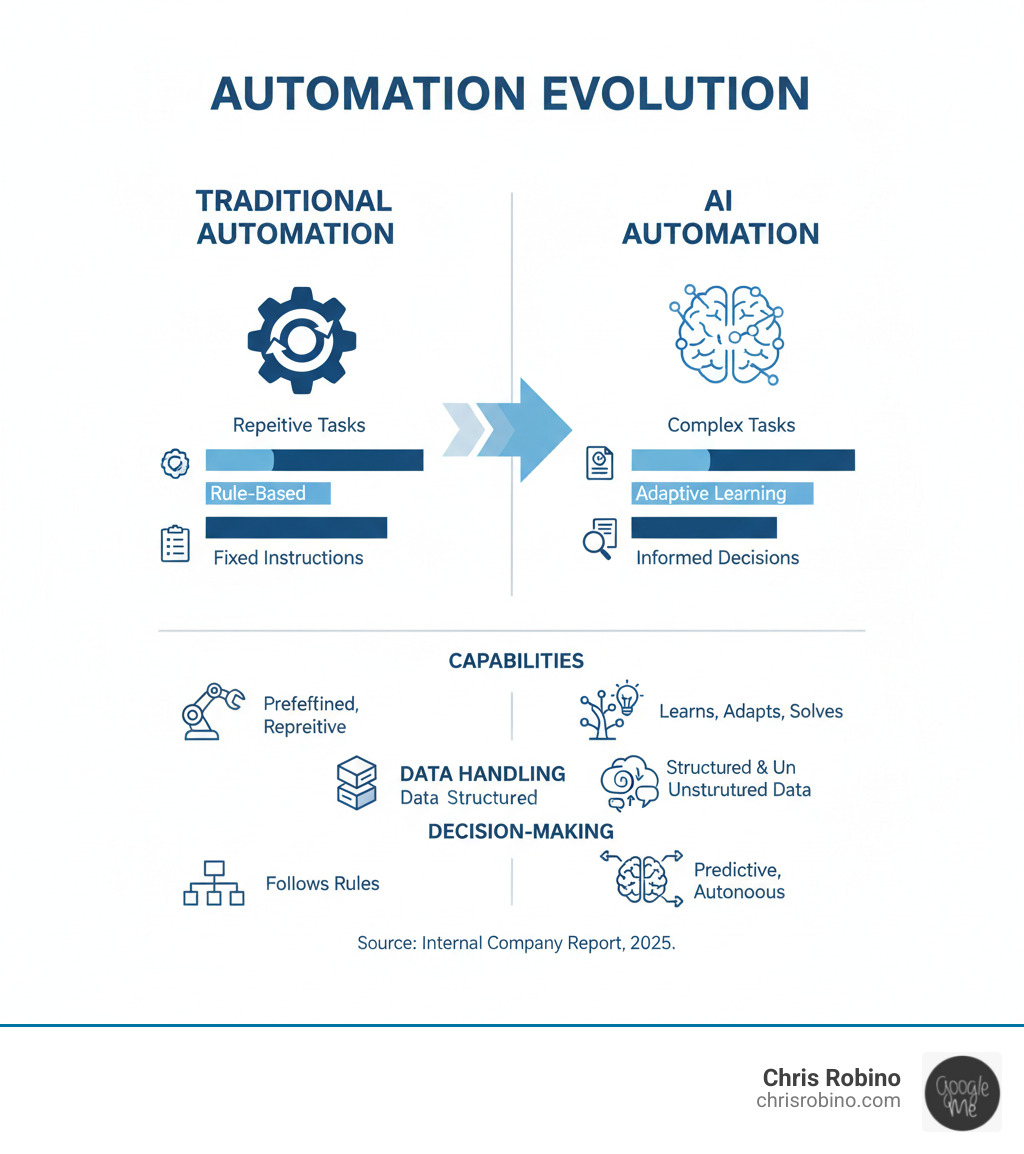
- Automate responsibly: use rules, data models, and quality gates to protect brand and improve consistency across thousands of URLs.
The result is a sustainable engine for demand: compounding organic traffic, lower acquisition costs, and a stronger brand presence across the buyer journey.
A Practical Guide to Enterprise SEO for Large Companies
The most successful enterprise SEO programs follow a repeatable blueprint: establish the technical foundation, scale content production without sacrificing quality, strengthen authority with brand signals and links, and install a measurement and governance layer to sustain momentum.
1) Build a durable technical foundation
At scale, small technical issues become major constraints. Prioritize crawlability, indexability, and speed before anything else.
- Information architecture: organize topics and products into clear, hierarchical structures. Standardize URL patterns and remove ambiguities.
- Crawl budget control: limit low-value and duplicative variants (e.g., faceted navigation, sort orders). Use canonical tags, robots directives, and parameter handling.
- Index hygiene: ensure index-worthy pages are unique, valuable, and accessible. Fix orphan pages, broken links, and soft 404s.
- Performance at scale: optimize Core Web Vitals across templates, not pages. Invest in image optimization, caching, and efficient rendering. Core Web Vitals provide essential metrics for measuring user experience.
- Structured data: maintain a schema library for templates (product, article, FAQ, how-to, organization). Validate at deploy time.
- Internationalization: implement consistent hreflang logic, language-region mapping, and country-specific content governance.
- Security and reliability: enforce HTTPS, correct redirects, stable sitemaps, and robust error handling.
2) Scale content with quality controls
Big brands win with breadth and depth—done consistently.
- Topic and intent mapping: inventory the customer journey from findy to decision. Cover informational, comparative, and transactional intents.
- Programmatic content: use data sources to generate scalable pages (e.g., product attributes, locations, categories), with editorial oversight.
- Templates and components: build reusable modules for page types to ensure on-page SEO, internal links, and schema are always present.
- Editorial standards: define brand voice, content depth, and quality thresholds. Require subject-matter review for sensitive topics.
- Updates and freshness: prioritize content refreshes for winners (protect share) and near-winners (capture upward momentum).
- Multimedia: augment with images, video, and interactive elements that improve engagement and task completion.
3) Strengthen authority and trust signals
Search engines reward brands that demonstrate expertise, credibility, and consistency.
- E-E-A-T-aligned practices: showcase author credentials, cite sources, and include clear editorial policies and review dates.
- Brand entity optimization: ensure consistent naming, profiles, and structured data across your digital footprint.
- Link acquisition at scale: earn links through high-value assets—original research, tools, indices, and partnerships. Focus on relevance and depth, not volume alone.
- Reputation management: monitor brand mentions, improve product reviews, and address customer issues that surface in search.
4) Architect internal linking for findy and equity flow
Internal linking is your most controllable lever.
- Taxonomy-driven linking: use category hubs and faceted rules to connect related topics and products.
- Pattern-based links: embed navigational modules that surface trending, top, and related items dynamically.
- Reference hubs: build cornerstone pages that consolidate authority and direct users to deeper resources.
- Pagination and series handling: implement next/prev patterns that preserve context and distribute link equity.
5) Instrument measurement and forecasting
Tie SEO to business value with a standard analytics framework.
- North-star metrics: organic revenue, qualified leads, pipeline, and contribution to LTV.
- Diagnostic metrics: indexed pages by template, position distribution, CTR, scroll depth, conversions, and content decay rates.
Build a forecasting model that combines:
- Current baseline performance by segment (template, market, product line)
- Expected lift from initiatives (technical fixes, content launches, internal linking)
- Time-to-impact curves (indexing, seasonality, ramp times)
Use the model to prioritize the roadmap and set realistic targets.
6) Install governance, workflows, and quality gates
Enterprise SEO fails without process.
- Ownership model: define roles for product, engineering, content, design, and analytics. Create a single point of accountability.
- Definition of done: establish acceptance criteria for every template and release (metadata, schema, linking, speed budgets).
- Pre-flight checks: run automated validations in CI/CD for canonical tags, hreflang, schema, robots directives, and page performance.
- Release cadence: bundle SEO improvements into regular sprints with clear change logs and rollback plans.
- Documentation: maintain living playbooks for templates, components, linking rules, and content standards.
7) Use automation and data to accelerate (without sacrificing quality)
Automation should reduce toil and increase consistency.
- Content pipelines: generate briefs from keyword clusters and user intent. Use templates to standardize structure while preserving editorial nuance.
- Audit automations: monitor index coverage, 404s, canonical conflicts, schema errors, and speed regressions.
- Decision support: rank opportunities by business impact, effort, and probability of success.
Always keep a human-in-the-loop for brand safety, accuracy, and compliance.

8) Master complex site scenarios
- Faceted navigation: constrain indexable combinations, prioritize facets that match real search demand, and apply canonicalization rules.
- Multi-domain and subdomain strategy: avoid fragmenting authority. Consolidate where it helps users and governance.
- Migrations and redesigns: run content and redirect mapping, test at staging with log-file simulations, measure before/after by template.
- Localization: beyond translation, adapt terminology, units, compliance, and examples. Align content with local demand patterns.
- User-generated content: moderate, structure, and surface it responsibly. Leverage it for freshness and long-tail coverage.
9) Win more SERP real estate
- Rich results: implement schema for products, reviews, FAQs, and events where relevant.
- Visual assets: optimize images and short-form video with descriptive metadata and captions.
- People-also-ask coverage: create concise, authoritative answers that ladder up to deeper content.
- Branded search: own navigational queries with clear sitelinks, consistent naming, and optimized knowledge panels.
10) Create an enterprise SEO roadmap that leadership supports
Translate SEO work into business outcomes and risk mitigation.
- Portfolio approach: balance quick wins (index hygiene, internal links), foundational work (site performance, architecture), and strategic bets (programmatic hubs, international expansion).
- Executive communication: share quarterly scorecards with progress, blockers, and forecast deltas. Be explicit about trade-offs.
- Risk register: track items that can erase gains—site outages, unreviewed releases, broken redirects, template regressions.
11) Team design and capability building
- Core pod: SEO lead, technical SEO, content strategist, and analyst.
- Embedded partners: product manager, engineering lead, UX writer/designer, legal/compliance.
- Center of excellence: maintain standards, templates, and training. Review major initiatives and vendor integrations.
12) A repeatable sprint cadence
- Findy: opportunity analysis by template and market.
- Planning: scope and prioritize with effort and impact estimates.
- Build: implement changes with acceptance criteria baked into tickets.
- Validate: QA in staging, then monitor production with automated checks.
- Learn: compare outcomes to forecast, document lessons, and iterate.

Common pitfalls to avoid
- Publishing at scale without governance, leading to duplication and thin pages.
- Over-focusing on individual keywords instead of intent clusters and topics.
- Underestimating internal linking and navigation design.
- Treating SEO as a project, not a product with ongoing ownership.
- Ignoring legal/compliance early, causing rework and publication delays.
- Shipping changes without measurement plans, making it hard to attribute impact.
What good looks like at enterprise scale
- Every template and component is SEO-ready by default.
- Content operations can produce, review, and update at volume, with clear quality thresholds.
- Technical health is monitored continuously, with alerts and owners for regressions.
- Leadership understands the organic growth model and funds it like a core channel.
- The roadmap is prioritized by business impact and supported by forecasts and experiments.
Conclusion: Make SEO a Company Capability, Not a Campaign
Enterprise SEO wins are built on systems, not stunts. When large companies embed SEO into product, engineering, and content operations—supported by governance, automation, and rigorous measurement—the results compound: more qualified traffic, lower acquisition costs, stronger brand trust, and durable market share.
Adopt the operating principles outlined above: engineer a clean, fast, crawlable site; scale content with standards and oversight; build authority with real expertise and brand signals; architect internal linking that guides users and search engines; and run SEO like a product with clear owners, forecasts, and quality gates.
Do this consistently, and search becomes more than a channel. It becomes an enduring advantage that grows with every release, every page, and every customer touchpoint.