

Why Digital Magazine Publishing Tools Define Modern Media Success
Digital magazine publishing tools are software platforms that let you create, design, and distribute interactive magazines online — turning static PDFs into engaging, multimedia-rich publications readers actually want to spend time with. In the modern era, these tools are no longer optional; they are the backbone of a scalable media strategy that prioritizes visibility, user experience, and search engine performance.
The media landscape has shifted fast. The New York Times crossed a major milestone in November 2020 — for the first time, digital subscriptions generated more revenue than print. That trend has continued every month since. For publishers, that signal is hard to ignore. But “going digital” means more than uploading a PDF to a website. Today’s readers expect interactive content, mobile-friendly layouts, and experiences that hold their attention. Static documents just don’t cut it anymore.
That’s where choosing the right tool makes all the difference — between a publication that gets skimmed and one that gets read. For large organizations, this choice also involves complex SEO considerations to ensure that massive content archives remain discoverable and authoritative in a competitive search landscape.
I’m Chris Robino, a digital strategy leader with over two decades of experience helping organizations navigate digital transformation, including the shift to digital-first media publishing. My work with digital magazine publishing tools spans content strategy, AI-driven automation, and search performance — and in this guide, I’ll break down exactly what to look for so you can make a confident choice.
Digital magazine publishing tools terms at a glance:
Core Capabilities of Professional Digital Magazine Publishing Tools
When we evaluate digital magazine publishing tools, we aren’t just looking for a place to host a file. We are looking for an engine that drives engagement. Professional platforms must bridge the gap between traditional editorial aesthetics and modern digital functionality. The most critical capability is the transition from static to dynamic. Research shows that more revenue from digital subscriptions is now the standard for industry leaders. To replicate this, your toolkit must support a digital-first-media strategy that prioritizes the screen over the page.
Core features to look for include:
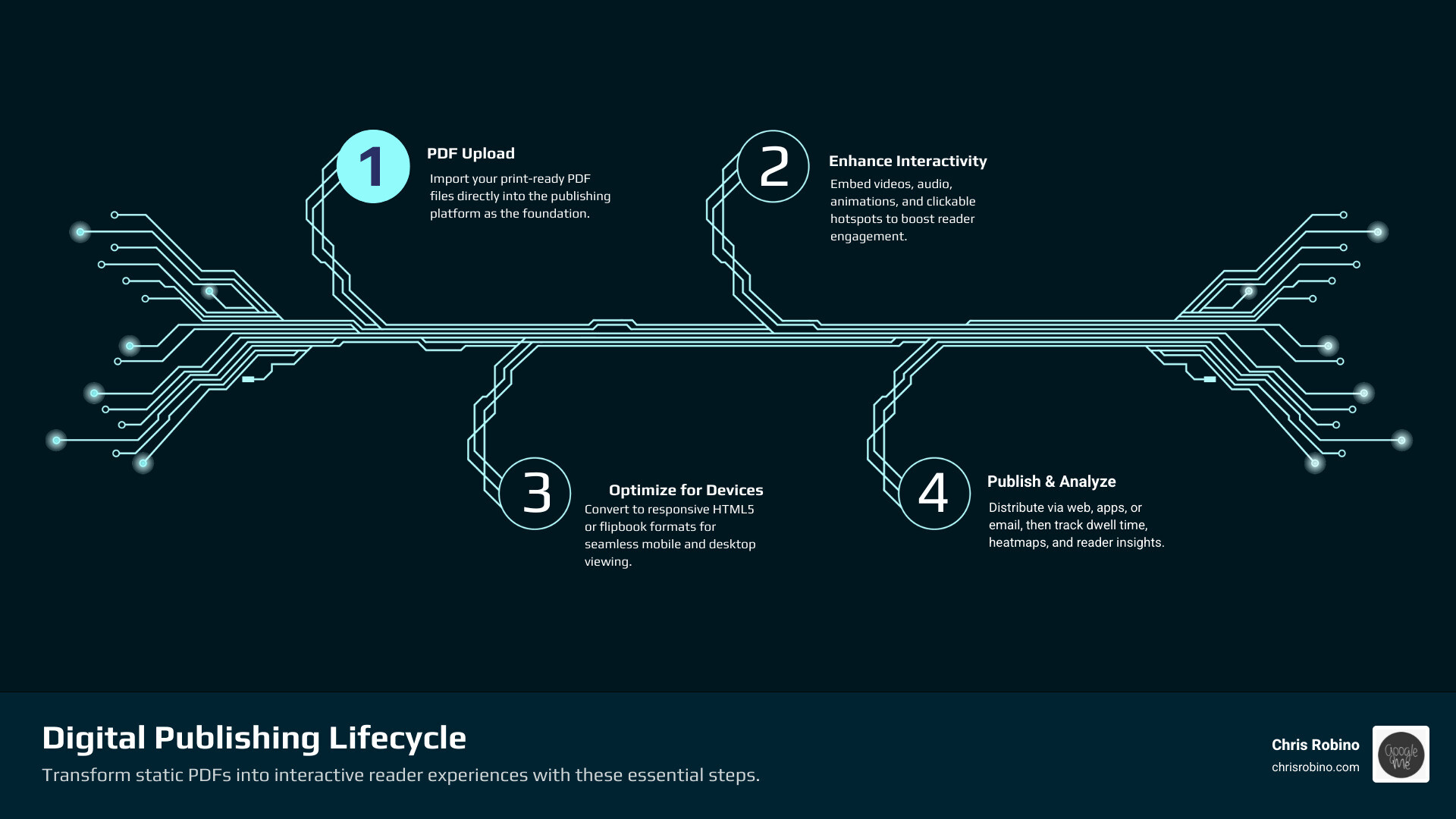
- High-Fidelity PDF Conversion: The ability to take a print-ready file and instantly turn it into a web-ready format without losing design integrity.
- Multimedia Hotspots: Placing “invisible” triggers over images to launch videos, audio clips, or external websites.
- Brand Consistency: White-labeling options that remove the publishing platform’s logo and replace it with your own.
- Enterprise Scalability: Features like SSO (Single Sign-On) and team collaboration tools for larger media houses.
Navigating Flipbook vs. Responsive HTML Formats
One of the first forks in the road when choosing digital magazine publishing tools is deciding between a “flipbook” and a “responsive HTML” format. Flipbooks use HTML5 to simulate the physical act of turning a page. This provides a nostalgic, “standalone” feel that many readers (and advertisers) still love. It is the quickest way to get a magazine online because it relies on your existing professional layouts. However, the industry is moving toward responsive HTML formats. These don’t just shrink a page to fit a phone; they reflow the content. Instead of pinching and zooming on a PDF, the reader scrolls through a layout optimized specifically for their device. While this requires more design effort upfront, the engagement metrics are often significantly higher because the reading experience is frictionless.
Maximizing Engagement with Interactive Digital Magazine Publishing Tools
Interactivity isn’t just a “nice-to-have” feature; it’s a survival requirement. Statistics indicate that 81% of marketers agree interactive content grabs attention more effectively than static content.

Modern digital magazine publishing tools allow us to layer experiences. Imagine a fashion magazine where clicking a model’s boots opens a “Buy Now” window, or a travel title where a static photo of a waterfall suddenly begins to play 4K video with ambient sound. By leveraging content-automation-explained-your-guide-to-smarter-marketing, publishers can even personalize these interactive elements. Enterprise tools allow non-creatives to use master templates and data inputs to generate personalized editions at scale. This level of sophistication transforms a magazine from a one-way broadcast into a two-way conversation.
Advanced Analytics and Reader Insights
The biggest advantage of digital over print is the data. In the print world, you know how many copies you mailed, but you have no idea if someone actually read the feature on page 42. With the right digital magazine publishing tools, you get granular visibility. By integrating Google Analytics or using built-in dashboards, we can track:
- Dwell Time: How long a reader stays on a specific page. High-end platform users often stay an average of seven minutes per session—over double the average website visit.
- Click-Through Rates (CTR): Which links or ads are actually getting clicked.
- Heatmaps: Behavioral tools can show you exactly where readers are looking and clicking, helping you optimize your layout for future issues.
- Bounce Rates: Identifying where readers lose interest so you can adjust your editorial strategy.
Enterprise SEO Strategies for Large-Scale Publishing
For large companies, the challenge of digital publishing isn’t just creating content; it’s ensuring that content is discoverable across thousands of pages. SEO for enterprise-level digital magazines requires a specialized approach that differs from standard blog optimization. When managing a massive archive of digital issues, technical SEO becomes the foundation of success.
1. Crawl Budget Management and Index Bloat Large publishers often face “index bloat,” where search engines waste time crawling low-value pages (like login screens or search result pages within the magazine) instead of high-value editorial content. Professional digital magazine publishing tools must allow for granular control over robots.txt and canonical tags. By ensuring that only the most authoritative version of an article is indexed, large companies can focus their “crawl budget” on the content that drives the most traffic.
2. Structured Data and Schema Markup To stand out in search engine results pages (SERPs), large companies must leverage Schema markup. This code helps search engines understand that a piece of content is a “NewsArticle,” a “Magazine,” or part of a “Series.” Implementing structured data allows your digital magazine to appear in rich snippets, carousels, and Google News, significantly increasing click-through rates. This is particularly vital for enterprise brands that want to establish topical authority in specific niches.
3. Topical Authority and Content Clusters Large-scale SEO relies on building topical authority. Instead of targeting random keywords, enterprise publishers should organize their digital magazines into content clusters. By linking related articles within a digital issue back to a central “pillar” page on the main website, you signal to search engines that your brand is an expert on that subject. This internal linking strategy is essential for maintaining the SEO value of back-issues that might otherwise be buried in an archive.
4. Core Web Vitals and User Experience Search engines now prioritize user experience as a ranking factor. For digital magazines, this means page speed and visual stability are critical. Large companies must ensure their publishing tools deliver fast-loading HTML5 content that meets Core Web Vitals standards. If a magazine is heavy with unoptimized images or slow-loading interactive elements, it will struggle to rank, regardless of how good the editorial content is.
Monetization Strategies for Modern Publishers
A magazine is only successful if it’s sustainable. Digital magazine publishing tools provide several avenues for revenue that go beyond traditional full-page ads.
- Digital Subscriptions: Using subscription management systems to manage recurring revenue and gated content.
- Programmatic Advertising: Using Google AdSense or specialized ad networks to fill ad slots automatically. On average, publishers earn between $0.25 and $3.00 per 1000 impressions, making high traffic a priority.
- Sponsored Hotspots: Charging brands for interactive “pop-ups” within your editorial content.
- In-Page Shopping: Retailers can allow readers to add items to a cart without ever leaving the magazine.
For a deeper dive into how these models are evolving, check out our media-industry-analysis-ultimate-guide.
Mobile-First Design and Global Reach
As of late 2017, 74% of all internet traffic was video, and a massive portion of that is consumed on mobile devices. If your magazine requires a desktop computer to be enjoyed, you are missing the majority of your audience. The best digital magazine publishing tools prioritize cross-device compatibility. This means the platform automatically detects if a reader is on a smartphone, a tablet, or a laptop and serves the best version of the file. Some platforms even offer native app publishing, allowing you to have a branded presence in the major app stores. This is particularly useful for publishers who want to offer offline access or push notifications to their readers.
For global companies, International SEO is another layer of the strategy. Using hreflang tags within your digital publishing platform ensures that readers in different regions are served the correct language version of your magazine, preventing duplicate content issues and improving the local search presence of your brand.
Streamlining the Print-to-Digital Transition
For legacy publishers, the move to digital can feel overwhelming. However, digital planning tools make “flat planning”—the process of organizing a magazine’s pagination—entirely digital and collaborative. When transitioning, we recommend focusing on:
- Content Repurposing: Don’t just copy-paste. Use your digital platform to add the “extra” content that didn’t fit in the print version, like extended interviews or behind-the-scenes galleries.
- SEO Metadata: Unlike a physical magazine, a digital one can be “crawled” by search engines. Ensure your tool allows you to add page titles and keywords so your articles show up in search results.
- Digital Archives: Use your publishing tool to host back issues, creating a searchable library that adds value to a subscription.
For more on these transitions, see our media-industry-trends-ultimate-guide.
Conclusion: Future-Proofing Your Media Strategy
Choosing the right digital magazine publishing tools is about more than just finding a way to display a PDF. It’s about selecting a partner that enables you to grow your audience, understand your readers through data, and build a sustainable business in an era of rapid change. For large companies, this means integrating sophisticated SEO strategies—from technical crawl management to structured data—into the very fabric of the publishing process.
At the core of this transformation is the need for strategic guidance. Whether you are a small team looking for a budget-friendly solution or a large enterprise needing the automation power of a professional suite, the goal remains the same: creating a premium experience for premium content. As the media landscape continues to evolve through AI and emerging tech, staying informed is your best competitive advantage. Learn more about navigating modern media technology and how we can help you build a data-driven, future-proof publishing strategy.