

Why Enterprise SEO Strategies Are Reshaping Large-Scale Digital Marketing
Enterprise SEO strategies are now a core driver of sustainable growth for large companies — not just a technical checklist. Managing search visibility for websites with tens of thousands of pages requires a highly scalable, programmatic approach.
Here is a quick breakdown of what actually works for large organizations in 2026:
- Prioritize crawl budget optimization — large sites often waste search engine resources on duplicate or low-value pages; clean architecture is vital
- Leverage programmatic SEO — build scalable page templates to target high-volume, long-tail search queries efficiently
- Align content with search intent — map keywords to specific stages of the buyer’s journey to capture high-intent traffic
- Build robust internal linking structures — distribute authority from high-performing landing pages to deeper, high-value subpages
- Implement schema markup — use structured data to secure rich snippets, improving click-through rates in competitive search results
- Integrate AI-driven content optimization — scale editorial workflows while maintaining strict quality and brand guidelines
- Monitor technical health continuously — automate site audits to catch broken links, redirect loops, and core web vital drops instantly
The scale of enterprise search is massive. Large companies that dominate organic search capture a disproportionate share of market attention, reducing their reliance on expensive paid acquisition channels. Yet, many enterprise brands still struggle with legacy site architectures, slow development queues, and siloed marketing teams.
Success in enterprise SEO requires treating search as a cross-functional product, not a siloed marketing task. A well-optimized site structure combined with high-quality, authoritative content will consistently outperform competitors relying solely on paid ads.
This guide outlines a practical framework for large companies to scale their organic search performance, manage technical complexity, and drive measurable revenue.
I’m Chris Robino, a digital strategy leader with over two decades of experience helping brands navigate complex digital channels, including enterprise SEO, AI-driven growth, and search performance. Let’s dive into the strategies that move the needle for large-scale organizations.
Simple enterprise digital growth glossary:
High-Impact Enterprise SEO Strategies for Large Companies
To win in the highly competitive search landscape, large companies must treat their websites as dynamic digital ecosystems. Enterprise SEO differs fundamentally from traditional SEO due to the sheer scale of pages, legacy technology stacks, and complex organizational structures.

One of the most significant shifts in enterprise search is the integration of artificial intelligence. Large organizations are leveraging AI to automate meta-tag generation, analyze search intent at scale, and optimize internal linking structures. However, automation must be balanced with human editorial oversight to ensure content meets search engine quality standards.
When designing high-impact enterprise SEO campaigns, we must align our organic search goals with the exact stage of the customer journey we want to influence. Whether we are aiming for top-of-funnel brand awareness or bottom-of-funnel conversions, our strategies must be grounded in technical excellence and supported by modern operational tools.
Aligning Enterprise SEO with the Marketing Funnel
Historically, brands viewed SEO strictly as a tool for top-of-funnel traffic. Today, sophisticated enterprise marketers use organic search to drive the entire customer purchase journey.
At the top of the funnel, informational content builds rapid brand awareness and trust. Because searchers are actively looking for answers to specific questions, providing authoritative, comprehensive resources establishes your brand as an industry leader.
As prospects move into the consideration phase, comparison guides, case studies, and product hubs help deepen engagement. To capitalize on this, we must leverage tailored Audience Engagement Strategies that invite deeper interaction and guide users toward solutions.
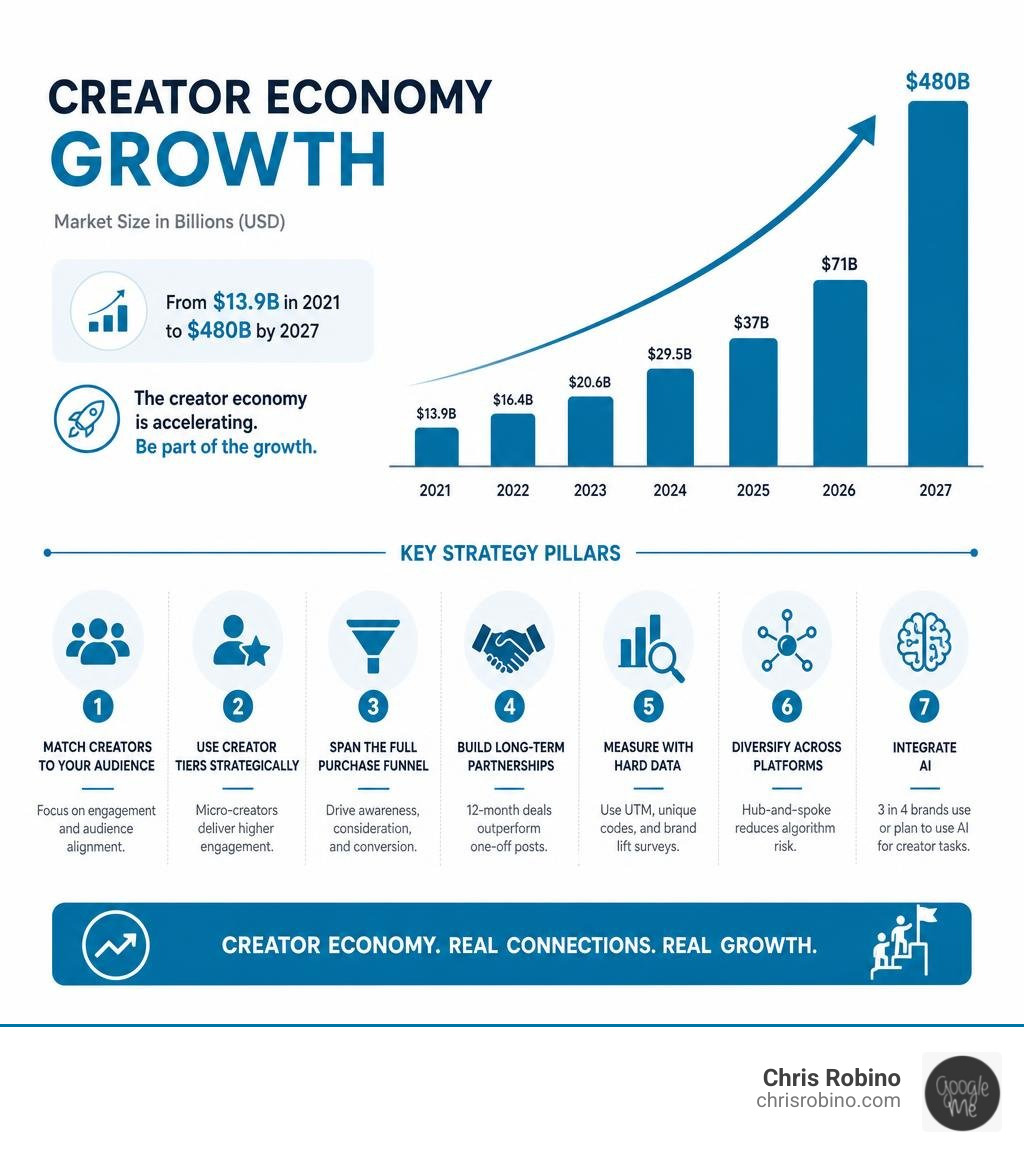
At the bottom of the funnel, transactional search queries must lead directly to optimized, high-converting landing pages. Large companies must ensure that product pages, pricing tables, and checkout pathways are technically flawless and optimized for search engines and users alike. While some brands focus heavily on social channels, understanding how to integrate search with social commerce is key, as detailed in this guide on How to Break Into the Creator Economy as a Brand in 2026.
Selecting the Right Keywords and Content Hubs
A common mistake in enterprise SEO is chasing high-volume keywords without considering search intent or conversion potential. While broad terms offer massive search volume, they often suffer from low conversion rates and intense competition. Conversely, long-tail keywords and niche topics offer incredibly high conversion rates and deep trust within specific buyer segments.
To help you structure your content portfolio, we have mapped out how different keyword categories perform across key metrics:
| Keyword Category | Search Volume | Avg. Conversion Rate | Primary Marketing Goal | Relative Competition |
|---|---|---|---|---|
| Informational | Very High | Low | Broad brand awareness, reach | High |
| Investigational | Moderate | Moderate | Balanced reach and consideration | Moderate |
| Transactional | Low to Moderate | High | High-intent conversions, sales | Very High |
| Navigational | High | Very High | Brand loyalty, customer retention | Low |
By utilizing smart Audience Development Tactics, we can build a balanced mix of these keyword categories. For example, we might build a comprehensive resource hub to capture informational traffic, while simultaneously deploying highly optimized product comparison pages to capture transactional searchers.
Platform and channel selection is equally critical. While Google remains the primary search engine, large companies must also optimize for alternative search platforms like YouTube, Amazon, and even AI-driven search engines to ensure a diversified digital footprint.
Executing Enterprise SEO Strategies for Maximum ROI
To ensure our enterprise SEO campaigns are profitable, we must move away from vanity metrics like “keyword rankings” and focus on hard, bottom-line data. This requires a robust measurement framework that tracks performance across the entire funnel.
By implementing The Digital Growth Playbook, brands can align their organic search spend with customer acquisition cost (CAC) and customer lifetime value (LTV) models. Using advanced analytics platforms allows us to attribute organic search conversions accurately and measure the true ROI of our SEO efforts.
Key Performance Metrics to Track
- Organic Traffic Growth: Track the increase in non-paid search visitors over time.
- Keyword Visibility: Monitor the overall share of voice for target keyword clusters.
- Click-Through Rate (CTR): Optimize meta titles and descriptions to improve search result clicks.
- Conversion Rate: Measure the percentage of organic visitors who complete a desired action.
- Crawl Efficiency: Track how effectively search engine bots crawl and index your site.
By analyzing these metrics in real-time, we can identify which content hubs are driving profitable results, allowing us to double down on high-performing topics and optimize our overall digital strategy.
Mitigating Risks and Managing Technical Debt
As websites grow, technical debt and operational risks become more complex. Standard SEO practices are often difficult to implement across legacy enterprise platforms, requiring close collaboration between SEO specialists, developers, and product managers.

First and foremost, large companies must establish strict governance guidelines for content creation and site updates. Uncoordinated updates can lead to broken redirects, duplicate content, and indexation issues that harm search visibility.
Furthermore, enterprise brands must prioritize site speed and mobile performance. Search engines heavily favor fast, mobile-friendly websites, making Core Web Vitals a critical ranking factor. Regular technical audits are essential to identify and resolve performance bottlenecks before they impact rankings.
By developing clear, scalable, and technically sound Content Monetization Strategies, large companies can build highly collaborative workflows that protect their search visibility while driving sustainable business growth.
Conclusion: Future-Proofing Your Enterprise SEO Strategy
Enterprise SEO is no longer just about keywords; it is a highly structured, technical discipline that requires cross-functional collaboration and continuous optimization. Large companies that invest in scalable site architecture, high-quality content, and robust technical health will dominate search results and secure long-term market share.
To future-proof your organic search performance, transition away from short-term tactics and focus on building a sustainable, authoritative digital presence. When you align your technical SEO with user intent and support your team with the right tools, you build a powerful engine for exponential growth.
If you are ready to elevate your digital marketing and build a high-performance enterprise SEO strategy, we are here to help. Get in touch with our team at Chris Robino’s Technology Innovation Consulting Firm to design, measure, and scale your search performance today.