

Why Internet and Social Media Marketing Is the Growth Channel You Can’t Ignore
Internet and social media marketing is the practice of using online platforms — Facebook, Instagram, TikTok, LinkedIn, and beyond — to build your brand, drive website traffic, and grow sales through content, engagement, and targeted advertising.
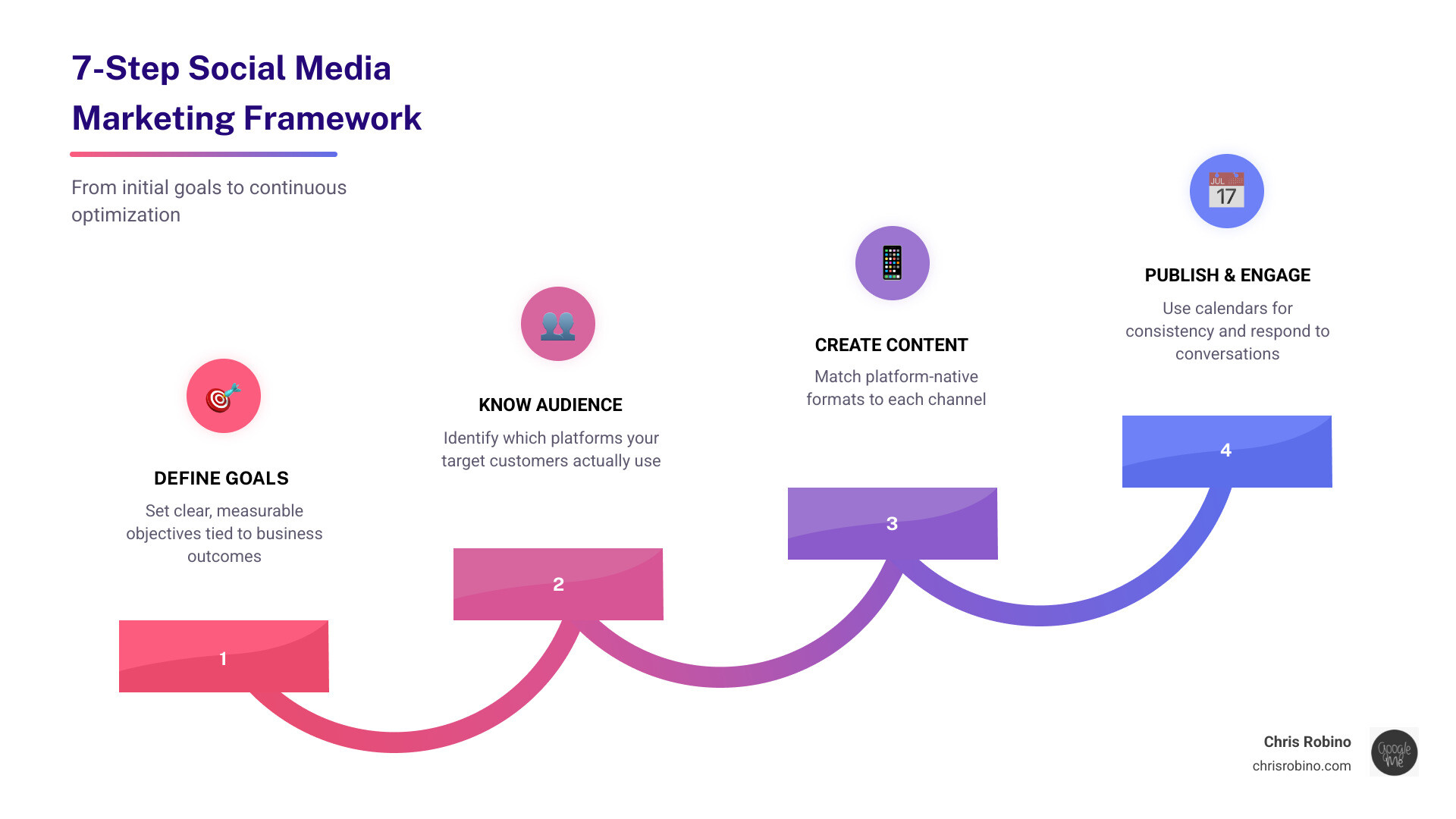
Here’s a quick-start summary of what effective social media marketing involves:
- Define your goals — Set clear, measurable objectives tied to business outcomes
- Know your audience — Identify which platforms your target customers actually use
- Create platform-native content — Match content formats to each channel (video, carousels, short-form, etc.)
- Publish consistently — Use a content calendar to maintain a steady presence
- Engage, don’t just broadcast — Respond, listen, and participate in two-way conversations
- Track what matters — Monitor reach, engagement, and conversions to measure ROI
- Adjust and repeat — Use data to refine your strategy continuously
The scale of opportunity here is hard to overstate. As of October 2025, more than 6 billion people use social media worldwide. The United States alone spent $72.3 billion on social media advertising in 2023. And over 73% of consumers say a brand’s social media presence influences their buying decisions.
Yet most businesses still treat social media like a digital billboard — pushing messages out and hoping something sticks. That one-way approach no longer works. The platforms have evolved. The audiences have gotten more selective. And the competition for attention has never been higher.
The good news? A clear, structured strategy still makes all the difference.
I’m Chris Robino, a digital strategy leader with over two decades of experience helping businesses — from startups to enterprises — build high-performing internet and social media marketing systems that drive measurable growth. This guide distills what actually works in 2026.
The Core Pillars of Internet and Social Media Marketing
To build a strategy that doesn’t just look pretty but actually drives revenue, we must understand the core pillars that make this channel work. Unlike traditional media, digital networks thrive on three distinct capabilities: connection, interaction, and customer data.
Traditional advertising relied on a “one-to-many” broadcast model. Social media operates on a “many-to-many” interactive model. To succeed, we must move away from static broadcasting and embrace dynamic, data-driven relationships.
| Feature | Traditional Marketing | Social Media Marketing |
|---|---|---|
| Communication Style | One-way broadcast; static | Two-way dialogue; interactive |
| Cost Entry Point | High (TV, print, billboards) | Scalable (organic is free; paid is flexible) |
| Targeting Precision | Broad demographics | Hyper-targeted (behaviors, interests, data) |
| Analytics & Measurement | Delayed, estimated metrics | Real-time, exact conversion tracking |
| Speed of Feedback | Weeks or months | Minutes to hours |
What is Internet and Social Media Marketing?
At its core, internet and social media marketing (SMM) is a strategic form of digital marketing that leverages the power of social networks to achieve branding and sales goals. It is not merely about posting updates; it is about cultivating a community.
Historically, SMM was treated as a secondary distribution channel. Today, it is the primary engine for brand discovery, customer service, and direct-to-consumer sales. Academic institutions, such as the Master’s in Social Media Marketing | Hult International Business School, have even developed dedicated graduate curricula to study the deep psychological and analytical frameworks behind modern consumer engagement on these platforms.
The Power of Internet and Social Media Marketing for Modern Brands
Why has social media captured the lion’s share of modern marketing budgets? Because it builds trust at scale. In an era where consumers are highly skeptical of corporate messaging, authentic digital presence serves as social proof. Over 50% of consumers state they are more likely to trust brands that consistently produce relevant, engaging content.
By focusing on Digital Media Marketing strategies that prioritize value over promotion, brands can turn casual followers into passionate advocates. According to Your Complete Guide to Social Media Marketing in 2026, the modern landscape requires brands to treat their social profiles as living, breathing ecosystems where customer support, product education, and entertainment coexist.
Choosing the Right Social Media Platforms
You do not need to be everywhere. In fact, spreading your resources too thin across every emerging network is a recipe for mediocrity. Instead, align your platform selection with your target audience’s demographics and behaviors:
- Facebook: With over 3 billion monthly active users, it remains the dominant platform for reaching audiences aged 25–54. It is highly effective for localized marketing and robust paid advertising campaigns.
- Instagram: A visual-first search engine. It is the go-to platform for product discovery, carousel storytelling, and influencer collaborations, particularly for audiences aged 18–34.
- TikTok: Driven by a highly sophisticated recommendation algorithm, TikTok is the undisputed king of short-form video. It is essential for capturing Gen Z attention, where 63% say social recommendations directly influence their purchases.
- LinkedIn: The premier B2B platform. It is unmatched for professional networking, lead generation, and establishing industry thought leadership.
For brands looking to scale their cross-platform reach without drowning in execution complexity, leveraging specialized social media marketing services can help streamline content production and optimize paid ad spend across these distinct networks.
Designing a Future-Proof SMM Strategy for 2026 and Beyond
A successful marketing roadmap requires a dual focus: optimizing for today’s algorithms while preparing for tomorrow’s technology. In 2026, the intersection of Search Engine Optimization (SEO) and social media—often referred to as “Social SEO”—has become a critical growth driver. Users are increasingly using social search bars instead of traditional search engines to find brand reviews, tutorials, and services.
To build a strategy that scales, we must combine these disciplines. As explored in the Online Marketing Strategy 2026: SEO & Social Media Marketing course, combining SEO search intent with social media distribution creates a compounding growth loop that dramatically lowers customer acquisition costs over time.
Executing a Cyclical SMM Action Plan
A great strategy is not a static document; it is a cyclical loop of planning, execution, and analysis.
- Competitive Analysis: Audit what your competitors are doing well—and where they are failing. Look for content gaps you can fill.
- Establish Content Pillars: Define 3 to 5 core topics that your brand has the authority to speak on. This keeps your messaging consistent.
- Build a Content Calendar: Plan your distribution in advance. However, leave room to react to real-time cultural moments.
- Prioritize Quality Over Volume: Algorithm updates in 2026 heavily penalize repetitive, low-effort content. Focus on high-value posts that encourage saves, shares, and meaningful comments.
For specialized sectors, such as technology, standard B2C tactics won’t cut it. Implementing tailored Content Marketing Strategies for Tech Companies ensures that complex technical concepts are translated into engaging, shareable social content. If you are managing these campaigns as an independent operator, utilizing resources like the Work From Home and Win: The Ultimate Freelance Digital Marketing Roadmap can help you stay organized and scale your client delivery efficiently.
Emerging Technologies Shaping the Future
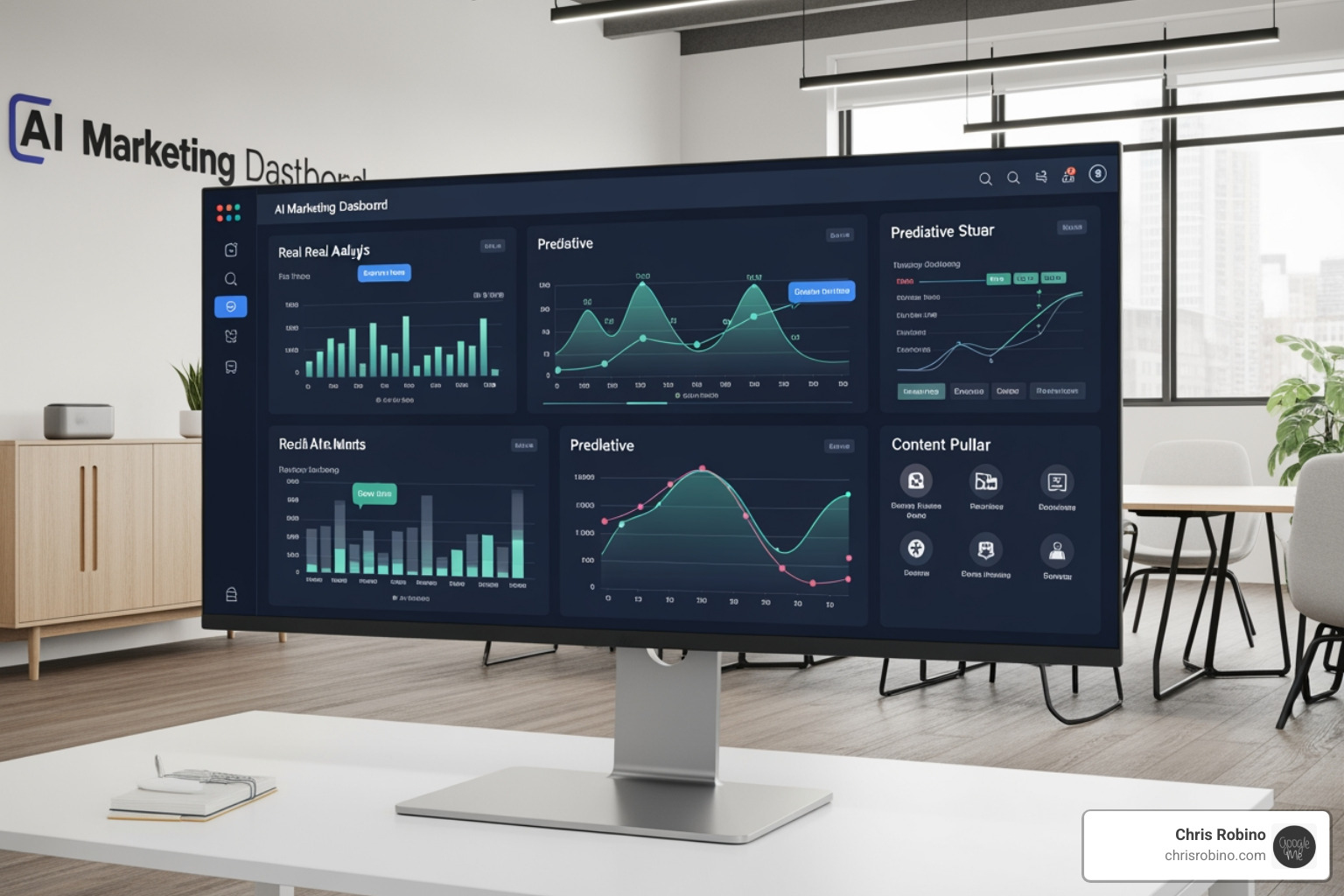
The technological landscape of internet and social media marketing is shifting beneath our feet. Artificial Intelligence (AI) is no longer a tool just for drafting copy; it is used to predict viral trends, personalize ad creatives in real-time, and automate deep data analysis.
Furthermore, the rise of AI-driven search engines (like Google’s AI Overviews) has given birth to AISEO (Artificial Intelligence Search Engine Optimization). Forward-thinking brands are optimizing their social media footprints so that AI search models cite their brand when answering user queries. To understand how these shifts impact long-term brand equity, read our analysis on Beyond the Scroll: What’s Next for the Social Media Industry.
Additionally, adopting modern workflows can help businesses transition from traditional social management to AI-optimized digital footprints, ensuring maximum visibility in both human and machine-driven searches.
Ethical Challenges and Social Listening
With great data comes great responsibility. Marketers in 2026 must navigate increasingly strict privacy regulations, combat the spread of platform misinformation, and manage electronic Word-of-Mouth (eWOM). Negative eWOM can spread globally in minutes; however, an active social listening program can catch these issues before they turn into full-blown crises.
Social listening is the practice of tracking brand mentions, industry keywords, and competitor conversations across the web to extract actionable insights. It allows us to understand customer sentiment outside of formal surveys.
Building a trustworthy online presence requires expert guidance. Working with a dedicated Social Media Branding Consultant helps ensure your business maintains an ethical, human-aligned voice across all platforms.
If you are ready to elevate your digital footprint, produce high-impact content, and build a cohesive online ecosystem, you can Partner with Chris Robino for Media Production Consulting to design and execute a custom strategy that drives measurable business results.