

Key Interactive Media Trends Reshaping Digital Entertainment
The Death of Passive Consumption
The days of sitting back to passively absorb scheduled broadcast television are rapidly fading into history. As high-speed internet and mobile devices become universal, user-driven digital platforms have replaced the traditional linear broadcast model.
Audiences today do not want to wait until 8:00 PM on a Thursday to watch their favorite program. They demand on-demand access paired with active input. Pay TV subscriptions in the US dropped from 63% to 49% in just three years, illustrating a clear migration away from rigid broadcasting schedules toward dynamic digital environments.
Rise of Participatory Fandom
Audiences are no longer passive viewers; they are co-creators. Modern fans expect to shape narratives through real-time comment streams, crowd-sourced story arcs, live polls, and community challenges. When a live streamer asks their audience which path to take in a video game or which product to review, the viewer becomes an active participant in the narrative.
This participatory culture is powered by user-generated extensions, remixing, and community meme creation, driving engagement far beyond the original broadcast. The economic impact is vast—interactive posts on social platforms experience 28% higher engagement than static posts, turning casual viewers into brand advocates.
The Creator-Fan Dynamic
At the heart of this shift is a fundamental evolution in how creators and fans interact. Traditional media built distant, one-way relationships between stars and audiences. Today, digital media thrives on continuous feedback loops and micro-communities.
Gen Z spends 54% more time daily on social platforms and user-generated content than the average consumer, while spending 26% less time watching traditional TV and movies. Nearly half of Gen Z and millennials report feeling a stronger personal connection to social media creators than to traditional film or TV actors. These direct channels foster long-term audience loyalty and higher engagement.
Convergence of Media and Commerce
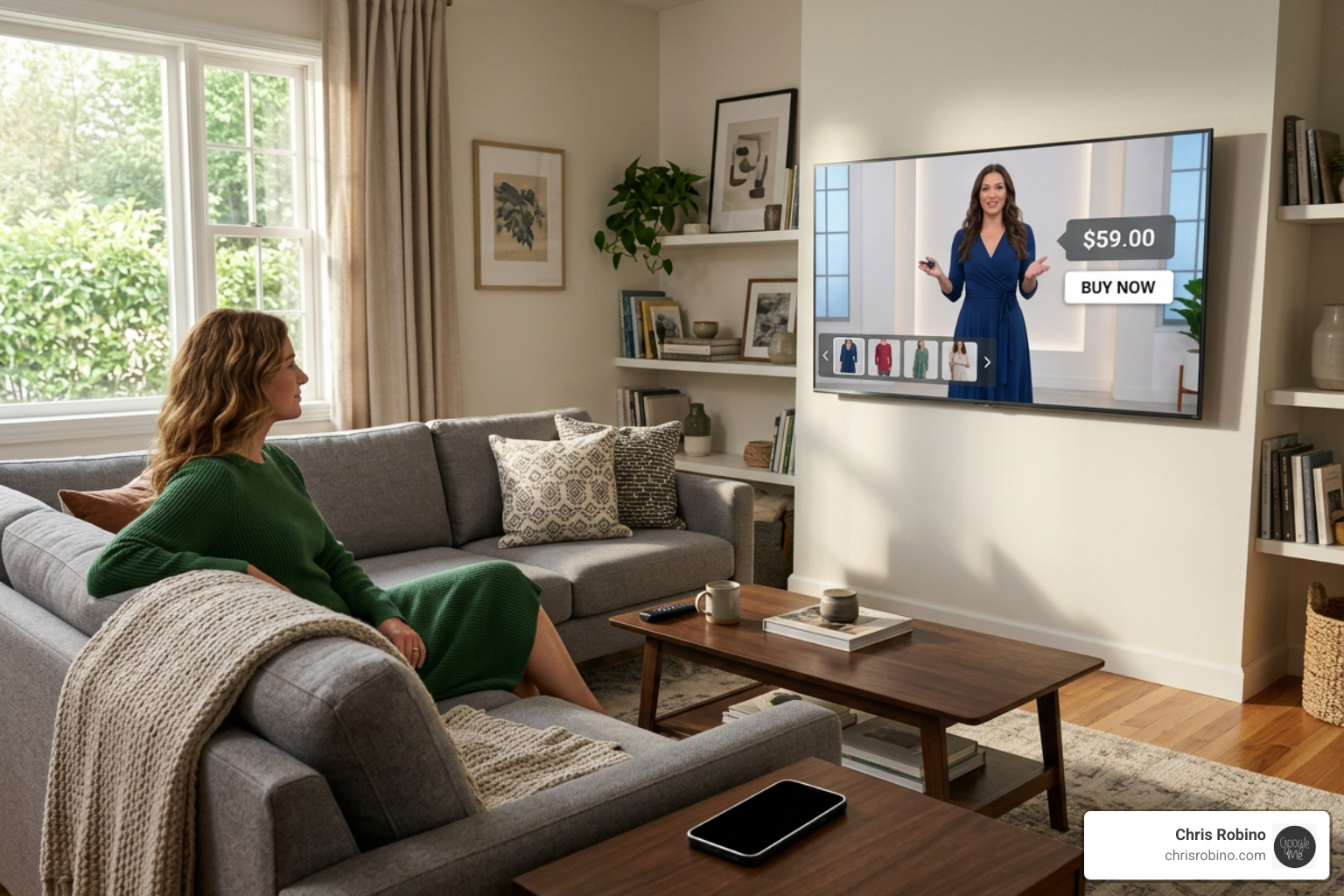
Digital entertainment is merging storytelling, live interactivity, and instant buying power. Shoppable video, interactive overlay graphics, and frictionless mobile payments allow viewers to buy a featured outfit or item without leaving the media stream. Live commerce conversion rates reach between 9% and 30%—nearly ten times higher than traditional e-commerce baselines.
Expansion of the Creator Economy
Independent creators now operate with the reach and influence of traditional media networks. Leveraging cloud tools, low-latency streaming platforms, and generative tools, creators produce high-quality content that directly challenges traditional studios for audience attention. Monetization has diversified beyond standard ad impressions into subscription tiers, direct viewer tipping, and authentic brand co-creations.
1. AI Content Curation and Interactive Media Trends in Content Discovery
Algorithmic Personalization
AI algorithms are completely altering how audiences find content. Rather than relying on passive scrolling through static directories, intent-led curation models use machine learning to process viewer actions in real time. Platforms analyze watch history, dwell time, gesture inputs, and search intent to surface tailored content feeds.
These hyper-personalized recommendation engines drive the majority of platform engagement. Understanding these shifts is crucial for mastering Essential Consumer Media Trends for the Digital Age.
Building Audience Trust
While AI improves recommendations, it also presents challenges regarding authenticity and data ethics. Low-quality automated output—often dismissed by users as “AI slop”—has created skepticism among audiences. The 2025 Edelman Trust Barometer highlights that US respondents are twice as likely to reject AI adoption as embrace it, with 75% reporting distrust.
To maintain audience loyalty, platforms must prioritize content provenance, clear authorship verification, and ethical AI transparency. Giving users explicit, easy-to-use controls over their preference settings builds trust while enhancing content relevancy.
2. Interactive TV and Shoppable Experience Interactive Media Trends
Second-Screen Engagement
The living room television has evolved into an interactive hub. Connected TV (CTV) experiences increasingly pair with secondary mobile screens to drive engagement through live sports wagering, synchronized polls, and real-time voting during broadcasts.
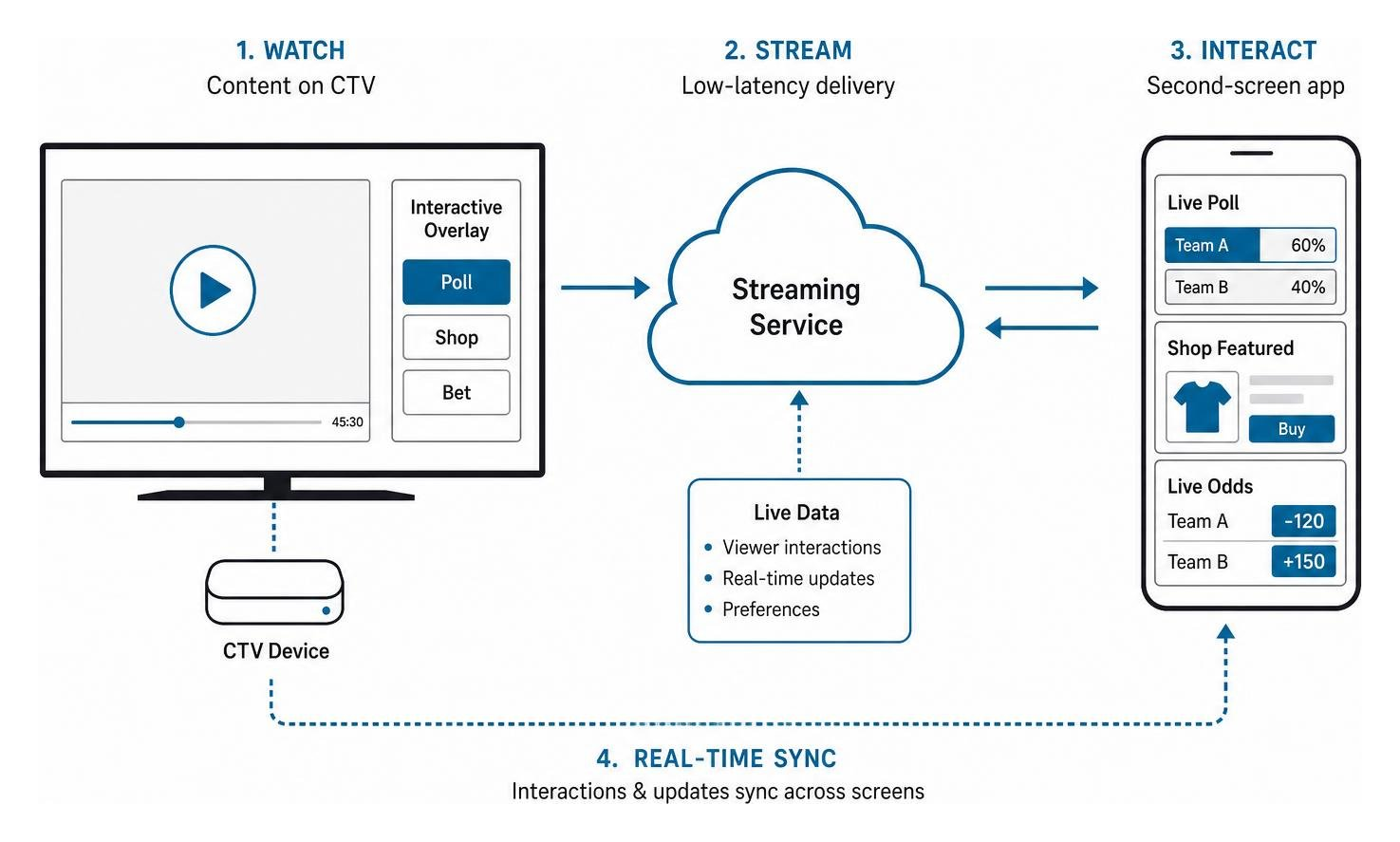
Sports betting alone is expanding rapidly toward a projected $200 billion market, and broadcasters are integrating real-time odds overlays and live polling directly into sports broadcasts. These gamified elements keep viewers invested in the live broadcast experience.
Direct-to-Consumer Shoppable Video
Interactive media eliminates friction between discovery and purchase. By embedding clickable hotspots and interactive metadata tags directly into video assets, viewers can browse product details in real time.
Whether watching an interactive TV commercial or a creator’s product review, integrated checkout flows allow instant purchases. Industry data indicates that viewers who interact with in-video elements are 5.2 times more likely to fill out a lead form or complete a purchase than those watching static ads.
3. Immersive Technologies, Spatial Media, and 5G Connectivity
Spatial Computing & AR
Augmented reality (AR) and spatial media are expanding past novel filters into powerful tools for entertainment and retail. Retail and consumer goods represent the largest market segment for interactive media, accounting for nearly 30% of total market share.

WebAR allows users to test furniture layouts in their living rooms or preview eyewear on their faces without downloading specialized apps. AR retail features boost customer conversion rates by up to 40%, proving that immersive utility drives commerce. For deeper insights into this technology, read about current Augmented Reality Trends.
5G Infrastructure Impact
The global interactive media market is estimated at $61.34 billion in 2026 and is projected to reach $157.30 billion by 2033, expanding at a CAGR of 14.4%.
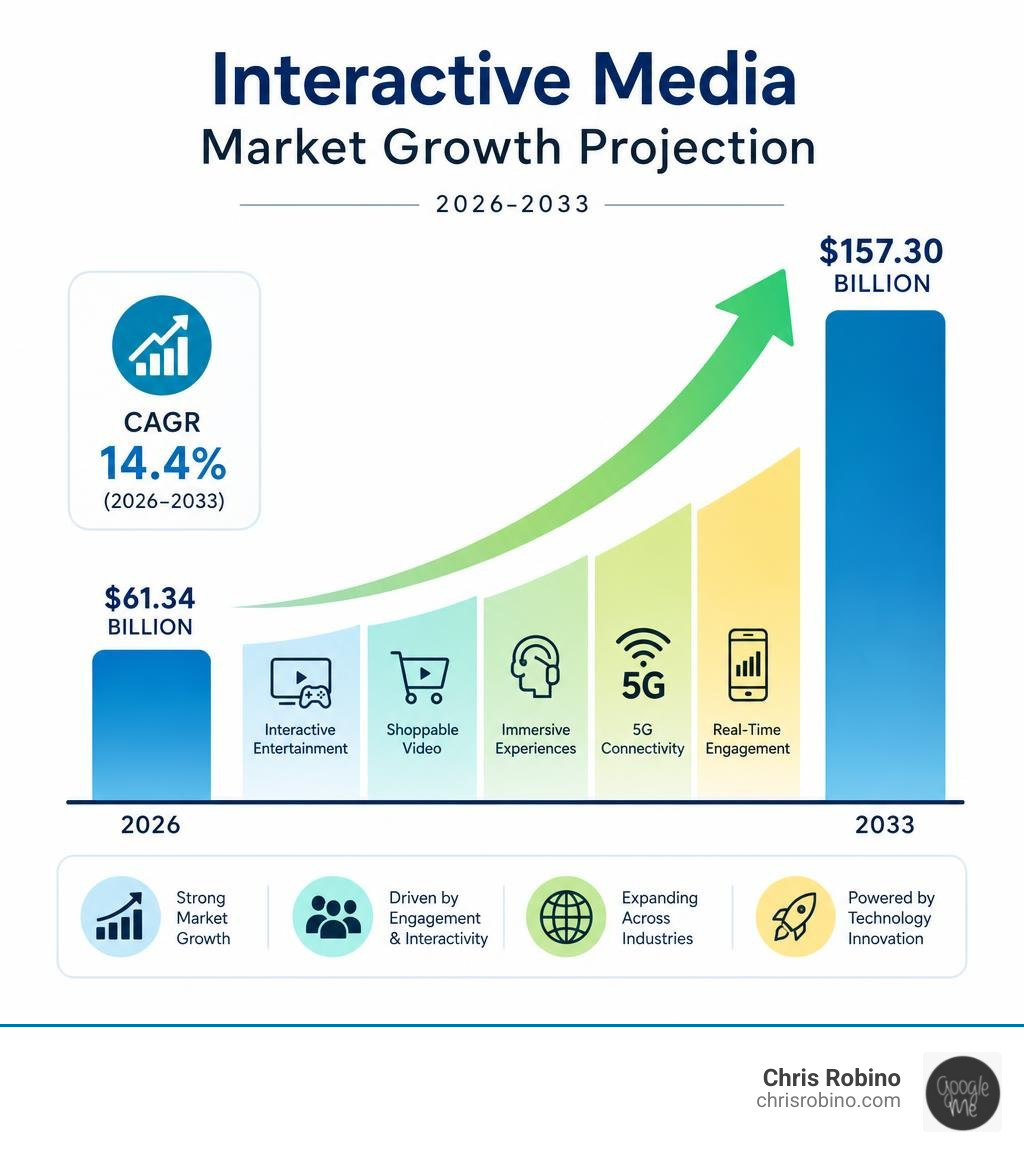
A primary driver of this growth is the rollout of ultra-low latency 5G networks. 5G connectivity removes latency bottlenecks, allowing smooth real-time multi-angle sports streaming, high-definition interactive e-learning, and virtual events. Learn more in the comprehensive Interactive Media Market Report.
4. Brand Evolution from Advertisers to Media Studios
In-House Studio Production
As traditional ad-blocking and subscription tier skipping increase, major brands are transitioning from simple advertisers to full-fledged content studios. Rather than buying 30-second interruptive commercials, brands are funding, producing, and distributing original serial entertainment.
By owning original media intellectual property (IP), brands build direct relationships with audiences. Branded entertainment feels less like a sales pitch and more like high-value content viewers actively choose to watch.
Modern Media Architectures
To deliver cross-platform content efficiently, forward-thinking organizations are replacing legacy architectures with MACH principles:
- Microservices: Independent modules for discrete platform features.
- API-first: Seamless connectivity across all digital interfaces and apps.
- Cloud-native: Elastic scale handling massive viewer spikes during live events.
- Headless: Front-end user experience separated from back-end database logic.
This composable stack allows brands to deploy interactive assets across web, CTV, mobile, and spatial platforms simultaneously. Build your modern stack using our guide on Integrating Media Tech: Your Blueprint for Connected Experiences.
Strategic Outlook: Balancing Privacy, Trust, and Innovation
Navigating Market Projections
While the market offers immense financial upside, leaders must carefully manage investment risk against shifting consumer habits. Success requires balancing rapid technological testing with stable infrastructure. Organizations must build sustainable digital distribution channels to reduce total reliance on third-party platform algorithms.
Building Authentic Connections
Technological innovation without authentic audience engagement fails. Brands and creators must prioritize transparent communication, clear community moderation, and user-centric design choices. Respecting audience attention prevents fatigue in hyper-connected digital ecosystems.
1. Navigating Data Privacy and Consumer Control in Digital Fandom
Addressing Audience Skepticism
Gen Z consumers hold high standards for digital privacy and data ownership. Having grown up in a data-saturated digital environment, younger audiences are deeply skeptical of opaque corporate tracking.
To maintain trust, media platforms must implement legible, easy-to-understand privacy dashboards. Giving fans granular control over how their data is collected and used transforms privacy compliance from a legal burden into a competitive trust factor.
Data Sovereignty & Security
Protecting user identity and engagement history requires robust digital architectures. Implementing zero-trust security frameworks—where trust is continuously verified per request rather than assumed—ensures that fan data remains safe across global interactive networks.
- Decentralized data storage: Minimizes the risk of large-scale centralized data breaches.
- Granular consent management: Allows users to toggle personalized recommendation inputs instantly.
- Localized compliance engines: Automatically enforces regional rules like GDPR across international viewer bases.
2. Sustainable Media Strategies for the Next Decade
Strategic Insights from Chris Robino
Sustaining long-term audience engagement requires unifying creative strategy with modern ad tech and distribution pipelines. From more than two decades of media technology experience, my work at Chris Robino focuses on helping organizations modernize their distribution architectures and adopt AI workflows.
By closing the gap between traditional media production and hyper-personalized ad tech, organizations can maximize ad yields while preserving a frictionless viewer experience.
Long-Term Audience Retention
Static content is a monologue, but modern interactive media is a conversation. To maintain long-term audience growth, media companies must adopt agile production pipelines that respond to viewer behavior signals in real time.
By testing interactive formats, evaluating engagement intent metrics, and delivering authentic creator-led content, brands build lasting digital fandoms. Discover how our consulting practice drives growth by exploring Digital Transformation Solutions for Media.
Essential Takeaways for Adapting to Interactive Media Trends
To remain competitive in today’s digital media ecosystem, keep these core principles top-of-mind:
- Prioritize two-way engagement: Move away from one-way broadcasting and build interactive touchpoints like polls, live streams, and interactive video into your content pipeline.
- Leverage intentional AI discovery: Utilize machine learning engines to personalize content feeds while maintaining strict content verification and transparency to preserve user trust.
- Integrate commerce directly into content: Utilize shoppable video and embedded friction-free payment channels to capture buyer intent right at the moment of interest.
- Adopt composable TECH infrastructure: Re-architect legacy tech stacks around MACH principles to push content quickly across web, connected TV, mobile, and spatial platforms.
- Respect user data and privacy: Treat privacy controls as a core user experience feature, offering clear transparency to satisfy privacy-conscious Gen Z audiences.