

Enterprise SEO Strategies That Scale for Large Companies
Enterprise SEO is a completely different beast compared to standard search engine optimization. For large companies, managing search visibility isn’t just about targeting keywords; it’s about managing complex technical infrastructures, coordinating cross-functional teams, and scaling content across thousands or millions of pages.
Here is a quick breakdown of what enterprise SEO covers:
| Focus Area | Key Elements |
|---|---|
| Technical SEO at Scale | Crawl budget optimization, site architecture, rendering |
| Programmatic Content | Dynamic page generation, structured data, templates |
| Data & Analytics | Enterprise analytics, search intent mapping, forecasting |
| Governance & Workflows | Cross-departmental alignment, SEO guardrails, training |
The stakes are incredibly high. For large organizations, a minor technical glitch can deindex thousands of high-value pages, resulting in millions of dollars in lost revenue overnight. Conversely, securing top rankings for high-intent enterprise keywords can drive massive, sustainable growth.
Yet, most large companies struggle to execute effective SEO. Legacy systems, siloed departments, and slow development cycles often stall critical technical updates. In fact, many enterprise SEO recommendations take months — or even years — to be implemented by engineering teams.
The core challenge is not a lack of SEO knowledge. It is the complexity of executing strategies within a massive corporate structure.
I’m Chris Robino, a digital strategy leader and AI and search expert with over two decades of experience helping organizations — from startups to enterprises — navigate complex digital landscapes to drive real, measurable growth. In this guide, I will outline the SEO strategies that actually perform well for large companies.
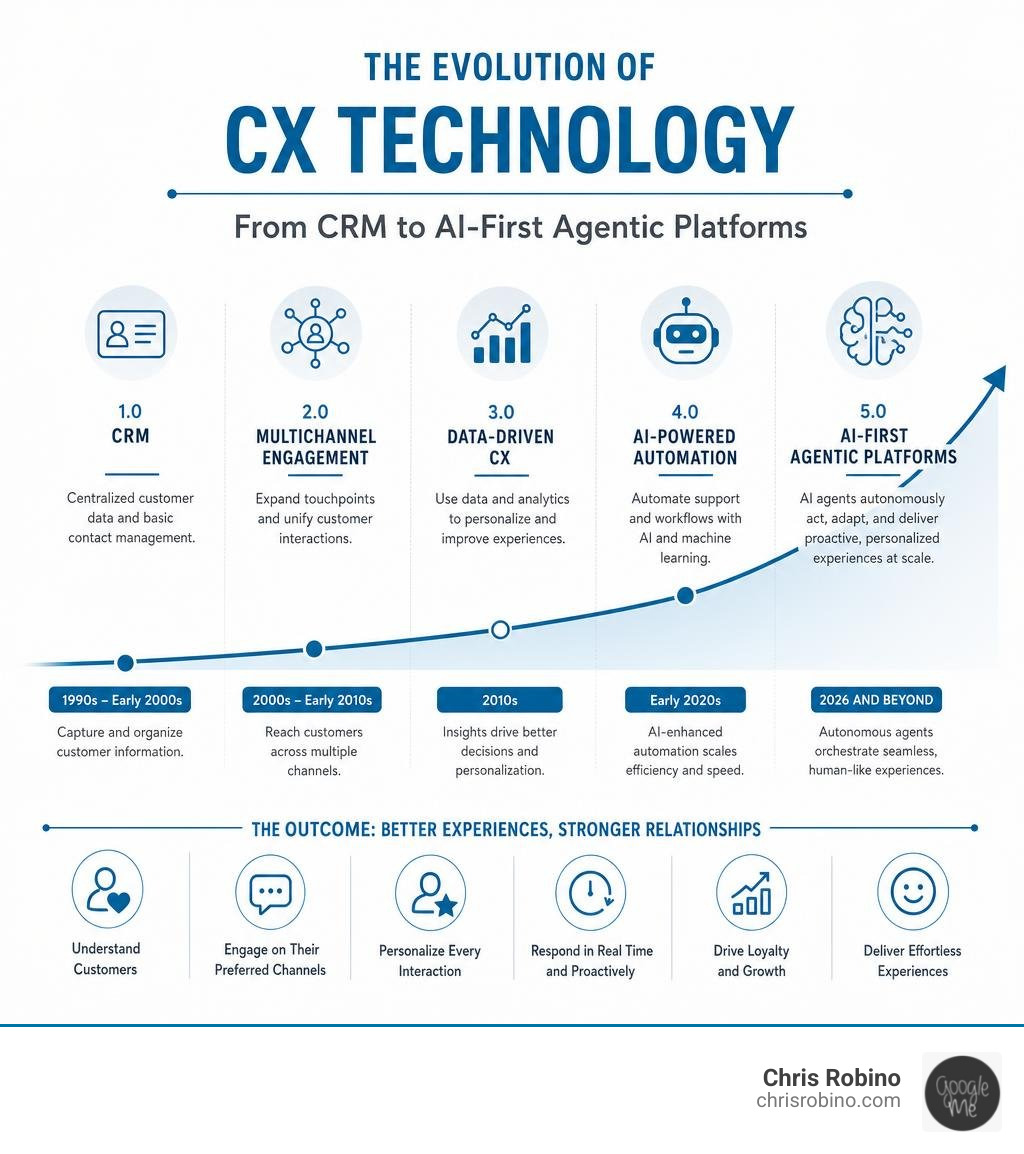
Common enterprise strategy resources:
The Core Pillars of Enterprise SEO Infrastructure
The relationship between search engines and large-scale websites has evolved. Historically, SEO was treated as an afterthought – something marketing teams handled post-launch. Today, enterprise SEO requires a continuous, integrated approach built directly into the company’s digital infrastructure.
For large companies, a single technical error can have compounding negative effects across millions of URLs. This is why building a cohesive framework that aligns technical performance with user experience is critical. When we design a modern digital presence, we aren’t just optimizing for search bots; we are building a seamless user journey that carries search intent forward into actual conversions.
Core Pillars of Large-Scale SEO
To build a reliable enterprise search strategy, we must understand the core architectural pillars that support large-scale websites.

- Crawl Budget Management: Large websites often have millions of pages, many of which may be low-value or duplicate. Managing how search engine bots crawl your site ensures that your most important, revenue-generating pages are indexed and updated frequently. Google Search Central offers useful guidance on managing crawl budget for large sites, which is especially important for enterprise architectures.
- Programmatic SEO & Templates: Instead of creating pages manually, large companies rely on programmatic SEO to generate high-quality, structured pages at scale. This requires robust database management and dynamic content templates.
- Structured Data & Schema Markup: Implementing advanced schema across millions of pages helps search engines understand the context of your content, leading to rich snippets and higher click-through rates.
Although automated systems can help scale content, maintaining quality is paramount. Search engines are increasingly sophisticated at identifying low-effort, auto-generated content. Bridging the gap between scale and quality requires transitioning from basic automated templates to highly curated, immersive digital experiences. To explore how digital design and user engagement merge seamlessly, see our guide on The Complete Guide To Immersive Experience Design.
How AI and Automation Drive Enterprise SEO
We have officially moved past the era of basic keyword stuffing. Today’s search engines prioritize semantic search, user intent, and comprehensive topic authority. Large companies must leverage AI and automation to keep pace with these changes.
Unlike manual keyword research, next-generation AI tools can analyze search trends, predict shifts in user intent, and identify content gaps across millions of search queries. For instance, during content planning, an AI-driven system can analyze search data, predict potential traffic opportunities, and dynamically suggest content updates to accelerate organic growth.
However, relying solely on automated content generation without human oversight can harm your brand’s search visibility. Since search engines expect high-quality, authoritative content, we must deploy systems that prioritize editorial integrity and technical accuracy. For a deeper dive into scaling these intelligent systems, check out our AI Driven Innovation Complete Guide.
Balancing Search Optimization with User Trust
We cannot discuss enterprise SEO without addressing user trust and data privacy. While optimizing for search engines is important, the ultimate goal is to build a trustworthy relationship with the user once they land on your site.
To build trust, we must balance data-driven optimization with strict compliance and user transparency. This means ensuring your website aligns with global data privacy regulations like GDPR and CCPA, while maintaining fast, secure, and accessible digital experiences.
By utilizing secure, open architectures, we can deliver transparent experiences where users feel safe interacting with your brand. Building a secure, high-performing website not only protects user data but also signals credibility to search engines, directly boosting your organic performance.
Mastering Enterprise SEO for Long-Term Growth
To turn organic search into a genuine growth engine, large organizations need a strategic roadmap that prioritizes technical consolidation and cross-functional collaboration.
When SEO teams are forced to work in isolation from product and engineering teams, critical technical updates get delayed, leading to declining search visibility and lost revenue. Consolidating your digital tools and establishing clear communication channels ensures that SEO recommendations are integrated directly into the development pipeline. This unified approach directly empowers the business from initial brand discovery to long-term customer retention.
Selecting the Best Enterprise SEO Tools
Choosing the right enterprise SEO platform is critical for tracking performance and identifying opportunities at scale. Below, we compare the top enterprise SEO platform categories to help you evaluate which solution aligns best with your organizational goals:
| Platform Category | Best For | Key Strengths | Core Capabilities |
|---|---|---|---|
| Enterprise SEO Suites | All-in-one tracking | Comprehensive keyword tracking, competitor analysis, site audits | Global rank tracking, market share analysis |
| Technical SEO Crawlers | Site health & auditing | Deep crawling of millions of pages, log file analysis, JavaScript rendering | Identifying crawl errors, duplicate content, redirect loops |
| Data & Analytics Platforms | Performance measurement | Advanced data integration, custom reporting, search intent mapping | Connecting search data to business revenue |
| Content Optimization Tools | Content quality | Semantic analysis, content brief generation, readability scoring | Aligning content with search intent and topical authority |
To achieve true operational efficiency, enterprises should look toward integrated solutions that unify search data, technical site health, and content workflows into a single continuous optimization loop.
Overcoming Implementation Challenges and Measuring ROI
Deploying an enterprise SEO strategy is rarely a frictionless process. One of the most common organizational roadblocks is fragmented organizational cognition — where different departments (marketing, product, and engineering) fail to align on the value of organic search.

To overcome this, we must establish clear cross-departmental ownership of the SEO strategy and avoid technical bottlenecks by opting for agile, API-first architectures.
When it comes to proving value to stakeholders, we need to focus on concrete financial metrics. While small and medium-sized businesses typically observe a technology payback period of 6 to 12 months, demonstrating long-term enterprise SEO ROI requires tracking metrics like:
- Organic Share of Voice (SoV) expansion
- Customer Acquisition Cost (CAC) reduction via organic channels
- Organic traffic-to-lead conversion rates
- Lifetime Value (LTV) of organic search traffic
For a step-by-step blueprint on connecting your media and communication tools to maximize these metrics, read our guide on Integrating Media Tech Your Blueprint For Connected Experiences.
Aligning Stakeholder Experience with Search Outcomes
Organic search performance is merely a symptom; the internal stakeholder workflow is the underlying system. If your internal teams, executives, and developers are operating in silos with fragmented tools, it is impossible to deliver a seamless, optimized digital experience to your audience.
To systematically improve your search rankings, you must first optimize your internal stakeholder ecosystem. This requires a deliberate alignment of business strategy, emerging technology, and technical execution.
If you are ready to update your digital strategy, break down operational silos, and build an enterprise SEO framework that drives measurable growth, we can help. Explore our Emerging Tech Consultant Complete Guide to see how we partner with brands to design, integrate, and scale high-impact digital solutions.